







Lagos Fashion Week 2026: Nigeria’s $500bn Fashion Economy
The Nigerian fashion industry is closing out 2026 with a powerful statement of cultural and commercial ambition, as the curtains fell on a record-breaking Lagos Fashion Week and the industry sets its sights on a continental economic transformation.
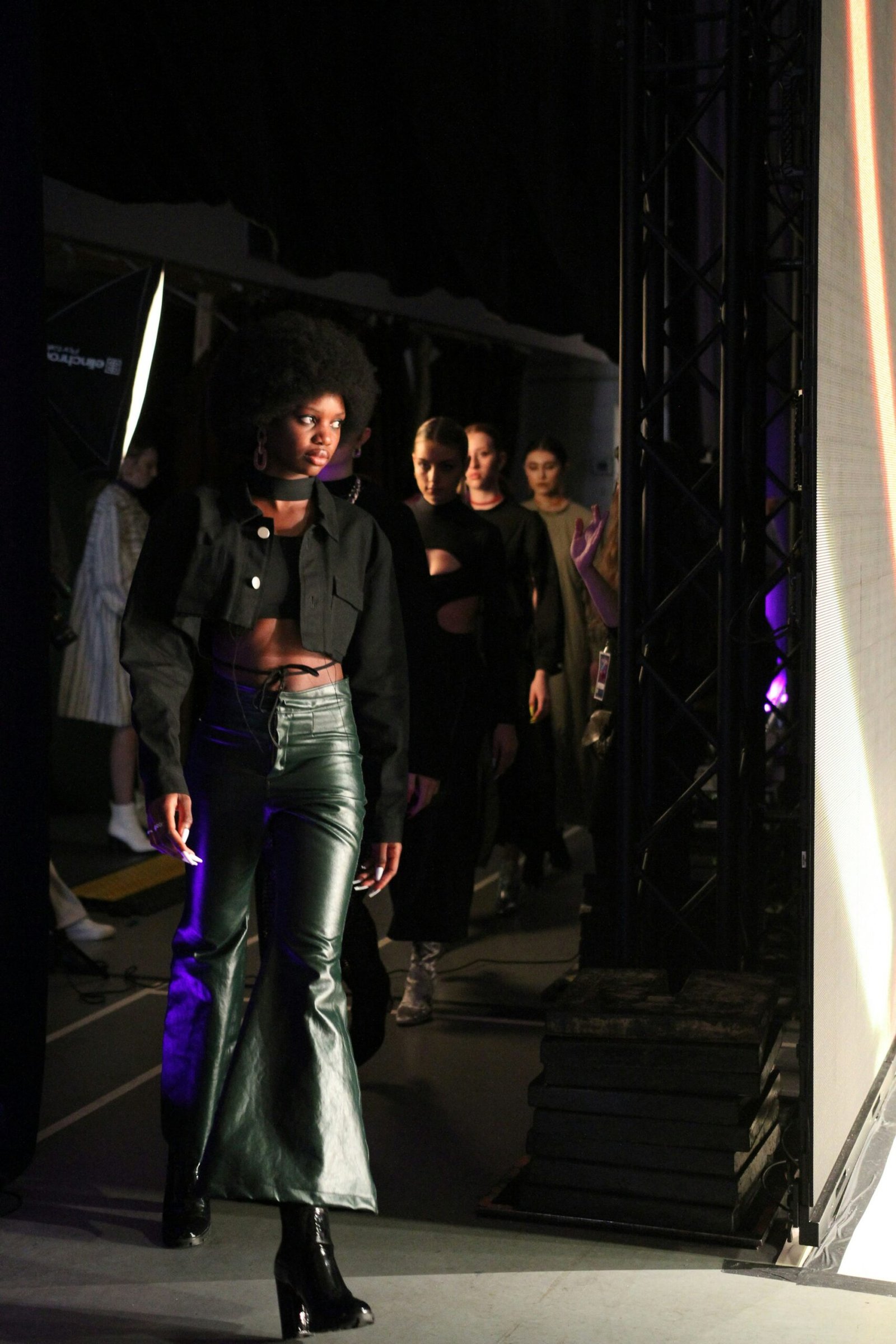
The 16th edition of Lagos Fashion Week, which concluded on Sunday, November 1, solidified its position as Africa’s premier fashion event, drawing approximately 16,000 attendees and 65 designers to the Federal Palace Hotel and venues across the city . The event, themed “CRAFTED: Heritage,” placed local talent and indigenous craftsmanship at its core, with traditional Akwete fabric from Abia State emerging as a defining runway trend in suits, skirts, and mixed-material designs .
The week was punctuated by several high-profile moments that underscored the event’s growing global resonance. Lagos State Governor Babajide Sanwo-Olu made a surprise runway appearance, walking alongside professional models for Nigerian designer Ugo Monye, a gesture that spotlighted the government’s recognition of fashion as a cultural and economic asset . Meanwhile, veteran designers including Lisa Folawiyo, Christie Brown, and Bridget Awosika returned to the official schedule, signaling a renewed commitment to the homegrown platform . International validation came in the form of a Vogue feature highlighting the week’s key takeaways and a U.S. Consulate award presented to Lagos Fashion Week founder Omoyemi Akerele for her role in springboarding Nigerian talent into the American market .
The momentum is not confined to the runway. This weekend, the GTCO Fashion Weekend returns for its 9th edition on November 7 and 8 at the GTCentre in Oniru, Lagos . Themed “Fashion Is Timeless,” the free-to-attend event will feature 140 curated retail stores, masterclasses led by international industry figures, and runway showcases from designers across Africa and the diaspora, including Tongoro, Imane Ayissi, and LaQuan Smith . Organizers are also launching the GTCO Fashion Collective, a year-round platform designed to sustain commerce and collaboration beyond the two-day event, reinforcing the shift from seasonal spectacle to lasting enterprise .
Yet the most consequential development may be unfolding behind the scenes. The Confederation of African Fashion (CAFA) has unveiled a roadmap to grow Africa’s fashion economy from an estimated $30 billion to $500 billion, with Nigeria positioned as a leading architect of the initiative . Nigeria became the first country to sign the African Fashion Industry Growth Charter in November 2025, and CAFA is now working with the Ministry of Foreign Affairs to secure continental adoption by the African Union . The plan, championed under the banner of “Afroliganza,” aims to move African fashion beyond cultural expression into a structured industrial economy—harmonizing policies on sourcing, production, and intellectual property while creating jobs, particularly for women and young people .
From the vibrant streets of Victoria Island to the policy corridors of Abuja, Nigerian fashion is no longer just a cultural export; it is being positioned as a cornerstone of the continent’s economic future. As the industry transitions from the runway to the boardroom, the message from Lagos this season is clear: the next chapter of African fashion will be written in Nigeria, and it will be defined by both heritage and hard commerce.