

Google is set to expand its wearable technology lineup with the release of a screenless Fitbit fitness band later in 2026. This move represents a strategic effort to capture the growing market for minimalist health trackers, focusing on comprehensive wellness insights rather than on-device displays.
Unlike traditional Fitbit devices with touchscreens, the new band will eliminate the display entirely, relying on sensors and smartphone connectivity to deliver health data. Users will receive insights such as heart rate, sleep patterns, daily activity, and recovery metrics directly through the Fitbit mobile app.
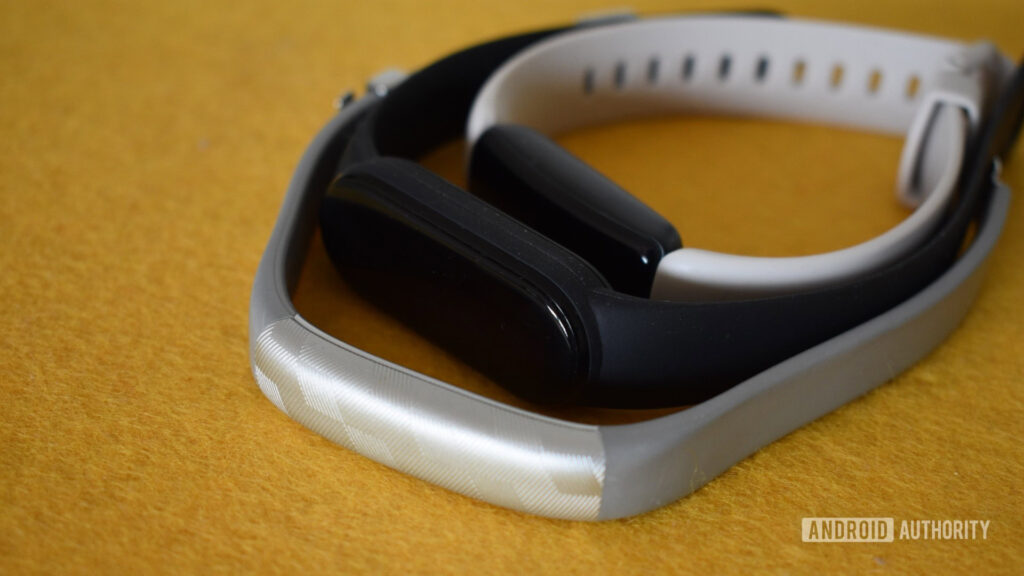
A teaser image, reportedly shared on social media by NBA star Stephen Curry, shows a sleek, lightweight band in light grey and orange, accompanied by the phrase: “a new relationship with your health.” This suggests the device is designed to be both functional and unobtrusive.
Minimalist fitness trackers, such as Whoop and Oura, have gained popularity for their focus on continuous health monitoring without distraction from screens. Screenless wearables offer several advantages:
- Longer battery life due to the absence of a display
- Streamlined design for comfort and everyday wear
- Enhanced focus on app-based insights rather than real-time interaction
By entering this segment, Google positions Fitbit to compete directly with these established players.
The new Fitbit band is expected to leverage Google’s AI-powered Personal Health Coach, already integrated into Fitbit’s software. This system provides:
- Personalized guidance on fitness, recovery, sleep, and mental wellness
- Recommendations for hydration, nutrition, and stress management
- A subscription-based model for advanced analytics, similar to services offered by competitors
This approach emphasizes software-driven value, making the wearable part of a broader health ecosystem rather than just a tracking device.
The global wearable market continues to evolve, with screen-based smartwatches from Apple, Garmin, Samsung, and Fitbit dominating. However, screenless devices have carved out a niche among users seeking long-term health insights without constant interaction.
Google’s decision to release a screenless Fitbit reflects changing consumer preferences for simplicity, longevity, and AI-powered insights. It also underscores Google’s goal of diversifying Fitbit’s offerings beyond traditional smartwatches.
While Google has not confirmed full specifications, early reports suggest the band will include:
- Heart rate and sleep monitoring sensors
- Long battery life
- App-based tracking and insights via Fitbit’s mobile platform
The device is expected to launch later in 2026, potentially positioning Google as a serious contender in the screenless wearable market.
Google’s screenless Fitbit band represents a strategic shift in the wearable technology market. By focusing on minimalist design, passive health tracking, and AI-driven insights, the company aims to rival products like Whoop and Oura while appealing to consumers who prefer a simpler, app-centered health experience.




Leave a Reply
You must be logged in to post a comment.